

People don’t generally think of Germany as a bargain destination. On the contrary, visitors and newcomers are sometimes struck by the relatively high cost of accommodation or eating out.
But many everyday goods are actually pretty cheap in Germany – thanks largely to fierce retail competition, efficient supply chains, government support in certain sectors and long-standing consumer expectations around price.
We take a look at seven areas where prices in Germany may actually be lower than you expect – especially for people used to prices in countries like the UK or the US.
Groceries
If there is one place where many foreigners notice a difference immediately, it’s at the supermarket till. Groceries in Germany are consistently cheaper than in many comparable economies, and in some cases dramatically so.
In part, this is thanks to the dominance of discount chains such as Aldi and Lidl, which compete aggressively on price and operate on famously slim margins. Their rivalry has shaped the entire retail landscape, forcing even full-service supermarkets to keep prices low.
READ ALSO: EXPLAINED - 10 ways to save money on your groceries in Germany
While food prices have risen in recent years, staples remain comparatively affordable. Dairy products, in particular, benefit from EU agricultural subsidies and intense competition, while everyday items such as bread and basic meats are kept cheap through highly optimised supply chains.
Pork and poultry are especially good value – though you should expect to pay more for organic or specialty goods. Weekly street and farmers markets also sometimes have great prices on seasonal fruit and vegetables.
Toiletries
Step into a German drugstore such as DM or Rossmann and you may be surprised by the price tags. Toiletries and basic healthcare products are quite cheap, particularly when compared with markets where items like these are treated as premium goods.
Store-brand products dominate the shelves and are known for offering solid quality at low cost.
One reason is scale: large national chains sell enormous volumes of these goods, allowing them to drive down costs. Combined with tight regulation of product standards, this creates a market where affordability does not necessarily mean compromising on quality.
READ ALSO: How does the cost of healthcare products in Germany compare to other countries?
The pro-tip here is to seek out supermarket or drugstore own-brand products. This can quickly reduce your grocery costs without a drop in quality.
Children
Children are not products, obviously – but the costs associated with raising them are an important part of any cost-of-living comparison.
Compared with countries where daycare, schooling and healthcare must be paid for privately, the overall cost of raising a child in Germany can be noticeably lower.
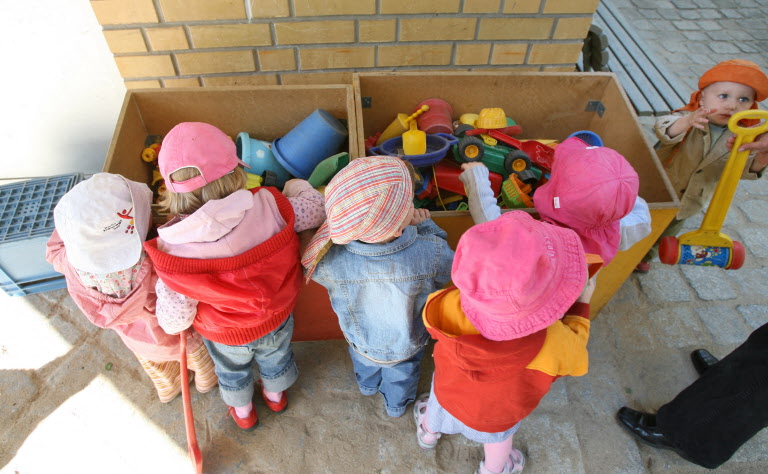
Childcare is often subsidised or even free depending on the region and how much the parents earn. Education is another major saving. From early schooling through to university, public provision significantly reduces the financial burden on families.
READ ALSO:
But bear in mind that both availability and costs for childcare can vary significantly depending on the region, meaning experiences can differ widely across the country.
Studying
Perhaps the most striking example of Germany’s affordability is higher education.
Public universities charge no tuition fees for most courses. Instead, international students typically pay a modest administrative contribution each semester, often bundled with additional benefits such as discounted public transport.
This stands in stark contrast to systems elsewhere, where fees can run into tens of thousands.
The result is a higher education system that is not only academically strong but also financially accessible – a major draw for foreign residents and their families.
READ ALSO: EXPLAINED - How much does it cost to study in Germany in 2026?
Guilty pleasures
Germany is not just about thrift and practicality; it’s also a good place for affordable indulgence.
Chocolate and sweets are a prime example. Supermarkets treat them as “known value” items or loss leaders, keeping prices low to attract customers and signal overall affordability.
Combined with strong domestic production and strict food quality standards, this means even well-known brands tend to be cheaper than abroad.
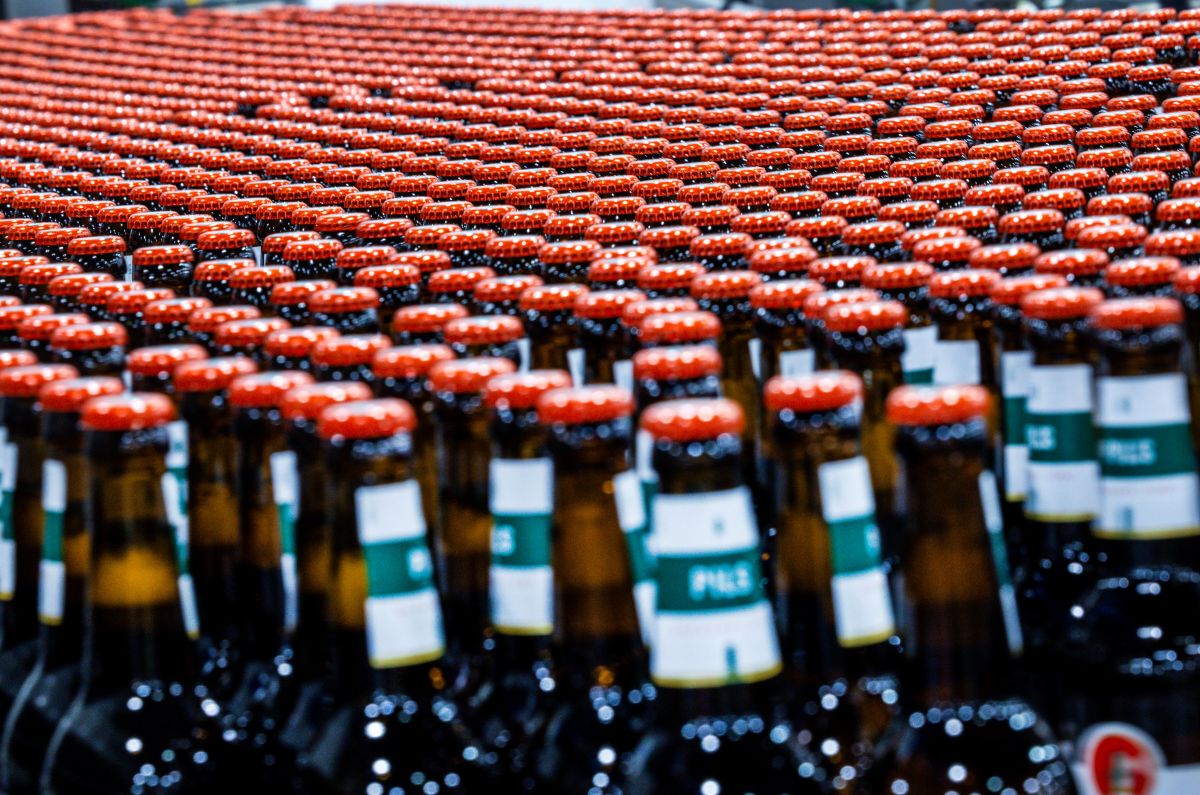
Alcohol is similarly affordable, in part due to relatively low excise taxes compared with other European countries. Beer – especially that of local brands – is widely available at low prices, while wine and spirits can also undercut prices in countries with higher duties.
Tobacco, too, remains comparatively cheap by western European standards, reflecting less aggressive taxation and regulation than in some neighbouring countries.
READ ALSO: Why does Germany still have such lax rules on smoking?
Transport (the Deutschlandticket)
The Deutschlandticket, introduced in 2023, allows unlimited travel on local and regional public transport across the country for a fixed monthly price.
While the national travel pass doesn’t extend to long-distance intercity trains – and the cost has risen multiple times since it was introduced – it still remains an amazingly cheap way to get around the country at just €63 per month.
For commuters and frequent travellers in particular, the ticket can deliver substantial monthly savings compared with buying local transport passes individually.
Whether that's enough to offset the frustration brought about by the chronic delays, sudden cancellations and substitute bus services is a question for another time.
READ ALSO: Deutschlandticket secured until 2030 following Bundesrat vote
Board games
Germany has a good claim to be the global capital of board games.
Because major publishers such as Ravensburger, Kosmos and Pegasus Spiele all produce games domestically, there are few import costs or additional mark-ups here which helps keep prices down.
As a result, popular titles from Catan to Carcassonne are often significantly cheaper in Germany than in other countries.
Unfortunately, the same benefits rarely extend to video games.
READ ALSO: Six apps to help you save money in your daily life in Germany
Comments